




Posted
Products
Collections
Articles


As the days begin to stretch and evenings stay lighter for longer, many people notice subtle changes in their sleep. You may feel less ready to wind down, or find your usual bedtime drifting later than expected.
This is a natural response to seasonal light changes. While longer days can feel uplifting, they can also make it harder for the body to recognise when it is time to rest. With a few gentle adjustments, it is possible to support better sleep in a way that feels calm, balanced, and in tune with your natural rhythm.
Your body follows a natural cycle that responds closely to light and darkness. As daylight fades, your body begins to produce melatonin, helping you prepare for sleep.
When evenings remain lighter, this signal can be delayed. Meaning you may feel more alert later into the evening, even if your body still needs rest.
These changes often show up as:
taking longer to fall asleep
feeling more awake in the evening
finding it harder to fully switch off
Rather than resisting this shift, you can use it to help gently guide your body towards rest, creating a softer transition from day to night.
When natural light lingers, creating your own sense of evening can make a difference.
Dimming lights, stepping away from screens, and choosing slower activities can help your body recognise that the day is coming to a close. Over time, these small changes can support a more consistent rhythm.

Consistency can be more powerful than perfection. Going to bed at a similar time each night, even as daylight changes, helps to reinforce your natural sleep cycle.
Simple moments such as reading, stretching, or taking a warm bath, perhaps alongside a calming blend of essential oils, can become familiar cues that encourage rest.
Scent has a unique connection to how we feel, with fragrance being closely linked to the brain's emotional centres. This means that certain aromas can be used to help create a sense of calm at the end of the day.
Essential oils with ingredients such as lavender, chamomile, and sandalwood are often chosen for their soothing and grounding qualities and are commonly used within aromatherapy to support relaxation.
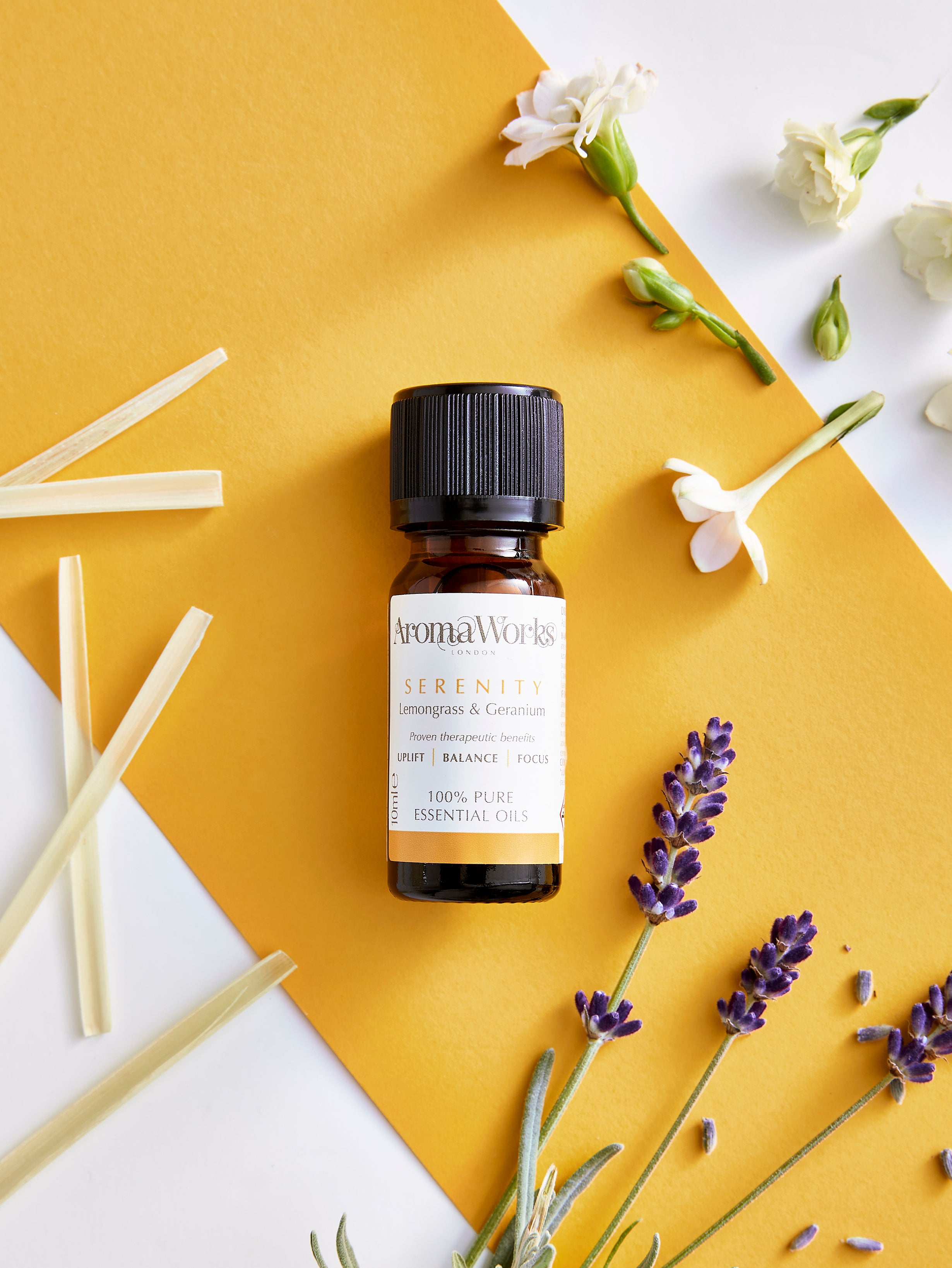
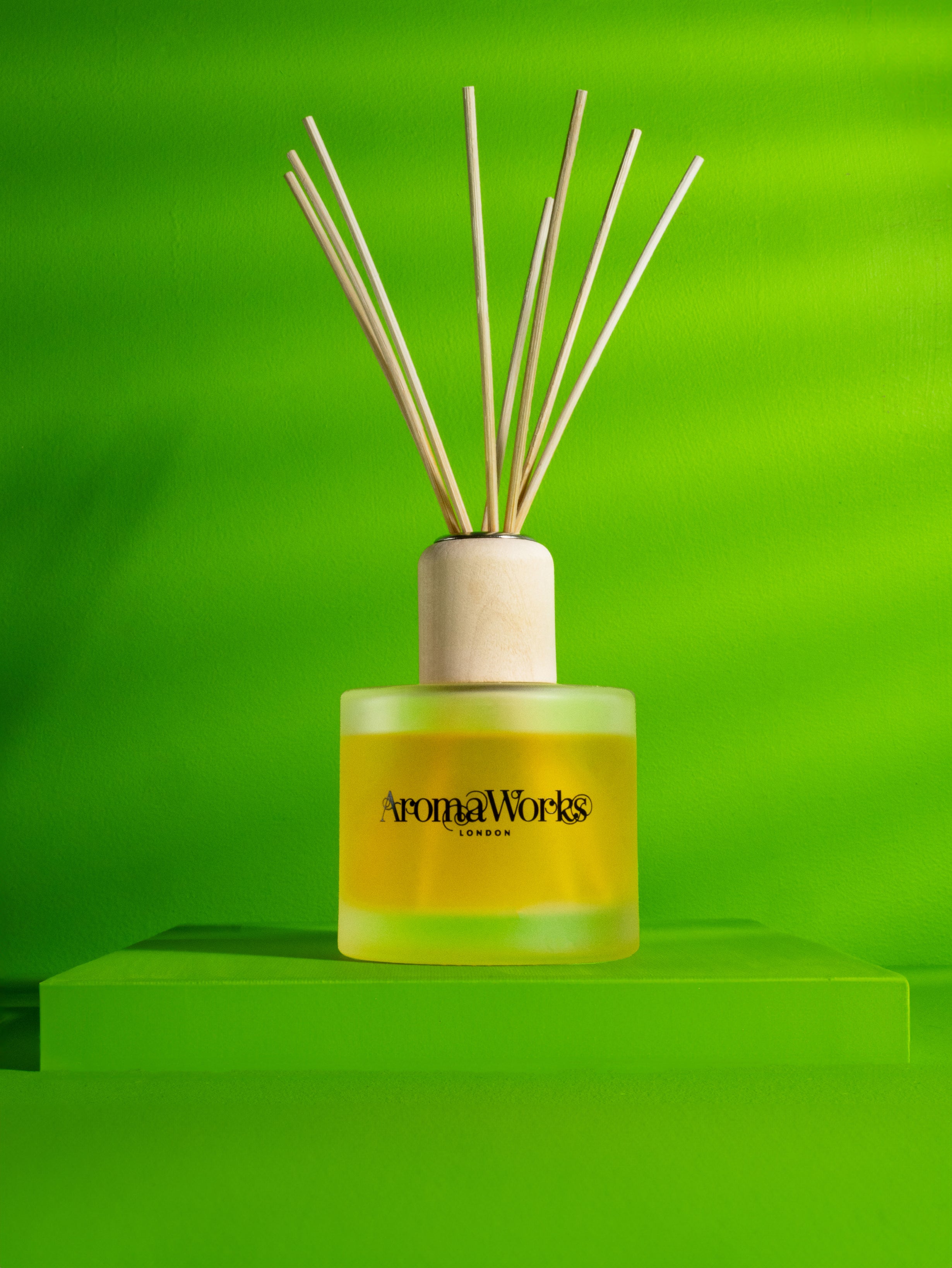
At AromaWorks, our blends are carefully created using pure essential oils, designed to support moments of relaxation and stillness. Whether diffused gently throughout a room or experienced through the soft glow of a candle, fragrance can become part of a familiar evening ritual.
And over time, this sensory element can help signal to your body that it is time to slow down.
Editor’s Choice: For evening rituals, blends such as Nurture, with its calming lavender-led profile and gentle, comforting character, or Soulful, which brings a deeper, more grounding feel to help ease the transition from day to night.
As evenings stay lighter, your surroundings can feel more alert. Creating a darker, calmer environment can help to encourage deeper and more restful sleep.
Closing curtains earlier, softening lighting, and keeping your bedroom cool and uncluttered can all contribute to a more restful space.
Small, thoughtful details can help create a space that feels more naturally restful. Soft textures, gentle lighting, and subtle fragrance, whether through delicate floral notes or deeper grounding scents, can shape an atmosphere that feels calm and settled.
Limiting bright light in the evening can help your body begin to wind down more naturally. This might involve dimming lights, avoiding screens, or creating a softer, quieter atmosphere in your home.
Repeating the same small actions each evening can help signal that it is time to rest, even when it is still light outside.
Lighting a candle, diffusing essential oils, or taking a few quiet moments can become familiar cues that support relaxation over time.
Spending time outdoors earlier in the day can help regulate your internal clock, making it easier to unwind later in the evening.
Seasonal changes are gradual, and your body will adjust. Supporting this process with patience and consistency can help maintain a sense of balance.
Lighter evenings invite more time in the day, but they also highlight the importance of slowing down when it comes to rest. By creating a calm transition into the evening, shaping a peaceful environment, and introducing soothing scents into your routine, sleep can feel more natural again. It is not about forcing rest, but allowing space for it to return.
Longer daylight hours can delay the body's natural production of melatonin, the hormone that helps regulate the sleep cycle. This can make it harder to feel ready for sleep at your usual bedtime.
Creating a darker bedroom, reducing screen time before bed, and following a consistent evening routine can help signal to the body that it is time to unwind and prepare for sleep.
Simple evening rituals such as dimming the lights, avoiding caffeine later in the day, and enjoying calming aromatherapy can help create a more relaxing environment before bedtime.
Lavender, Roman chamomile, sandalwood, and neroli are widely used in aromatherapy for their calming and grounding aromas, helping to create a peaceful atmosphere before sleep.
Best Sellers
Best Sellers